

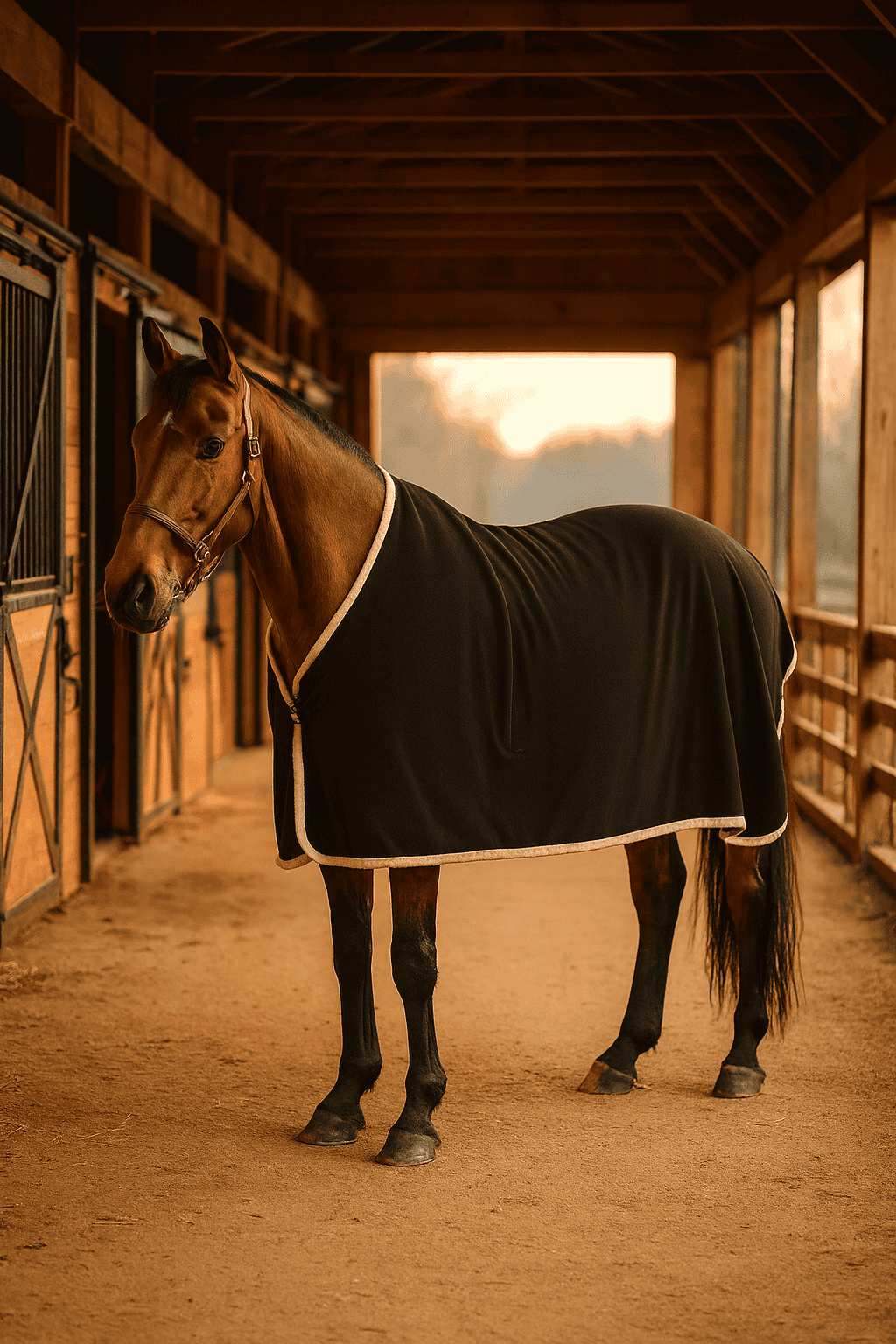
What You Need to Know
- Turnout blankets are waterproof/resistant and designed for outdoor use; stable blankets generally are not.
- Fill weight determines warmth. Sheets have no fill, while lightweight, medium, and heavyweight blankets provide progressively more insulation.
- Fit matters. A blanket that pulls across the shoulders, shifts behind the withers, or hangs too loosely can rub, restrict movement, or become unsafe.
- Choose a blanket based on your horse’s coat, clipping, body condition, shelter, weather, and activity level—not temperature alone.
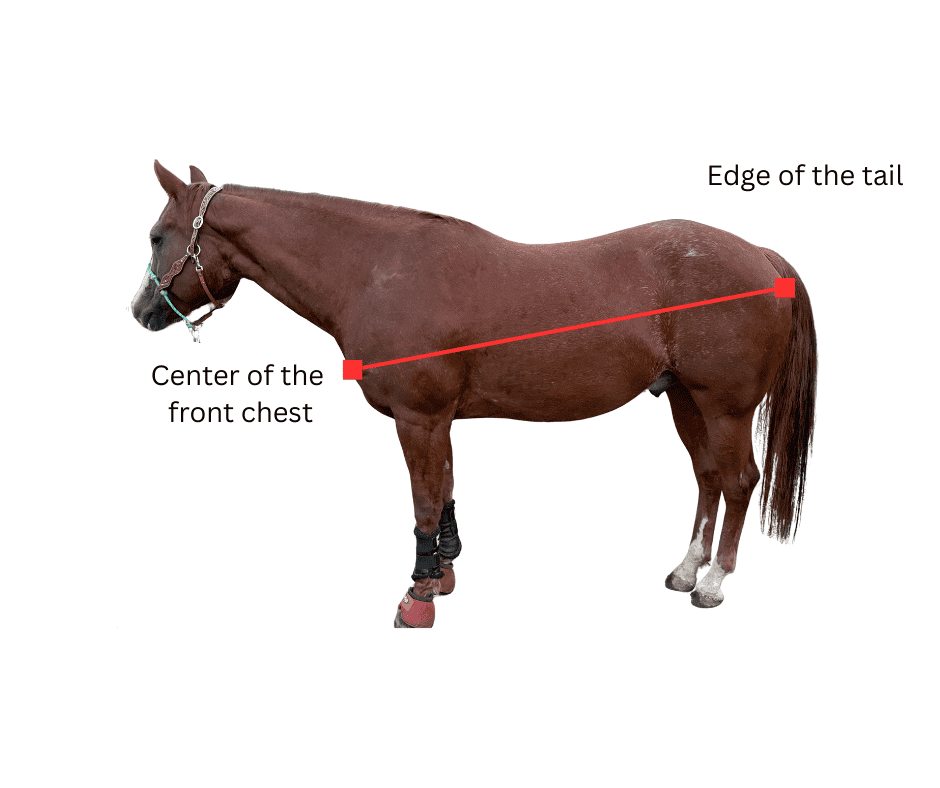
- Measure from the center of the chest to the point of the rump and check the manufacturer’s sizing chart before buying.
TackReview Take
There isn’t one blanket weight or temperature rule that fits every horse. A clipped horse with limited shelter may need much more protection than an unclipped horse in the same conditions. Coat, body condition, age, acclimation, shelter, wind, precipitation, and management all affect how much protection is appropriate. Fit should then be checked separately for comfort and safety.
Turnout vs. Stable Blankets vs. Coolers
These three blanket types serve different jobs. The quickest way to choose between them is to start with where and when the blanket will be used.
| Type | Best For | Weather Protection | Typical Weight | Key Thing to Know |
|---|---|---|---|---|
| Turnout | Outdoor use | Waterproof | 0g to 400g+ | Choose durability, fill, and fit based on weather and your horse |
| Stable Blanket | Indoor warmth | Not waterproof | Light to heavy | Best for stalled horses or controlled indoor use |
| Cooler | Drying after work or bathing | Not waterproof | Generally none | Wicks moisture while helping prevent chilling |
How to Measure Your Horse for a Blanket
- Stand your horse square on level ground.
- Place a flexible measuring tape at the center of the chest.
- Run the tape along the side of the horse to the point of the buttock/end of the rump, following the measuring method specified by the blanket manufacturer.
- Keep the tape reasonably straight instead of following every contour of the body.
- Compare the measurement with the manufacturer’s sizing chart. If your horse falls between sizes, follow that manufacturer’s guidance because sizing can vary.
Fit Check
A properly fitted blanket should sit securely without pulling across the shoulders, slipping behind the withers, or hanging too low along the sides. Your horse should be able to move freely at the walk and trot, and the blanket should stay centered without shifting. Recheck the fit after your horse has worn it for a short period.
Turnout Blankets
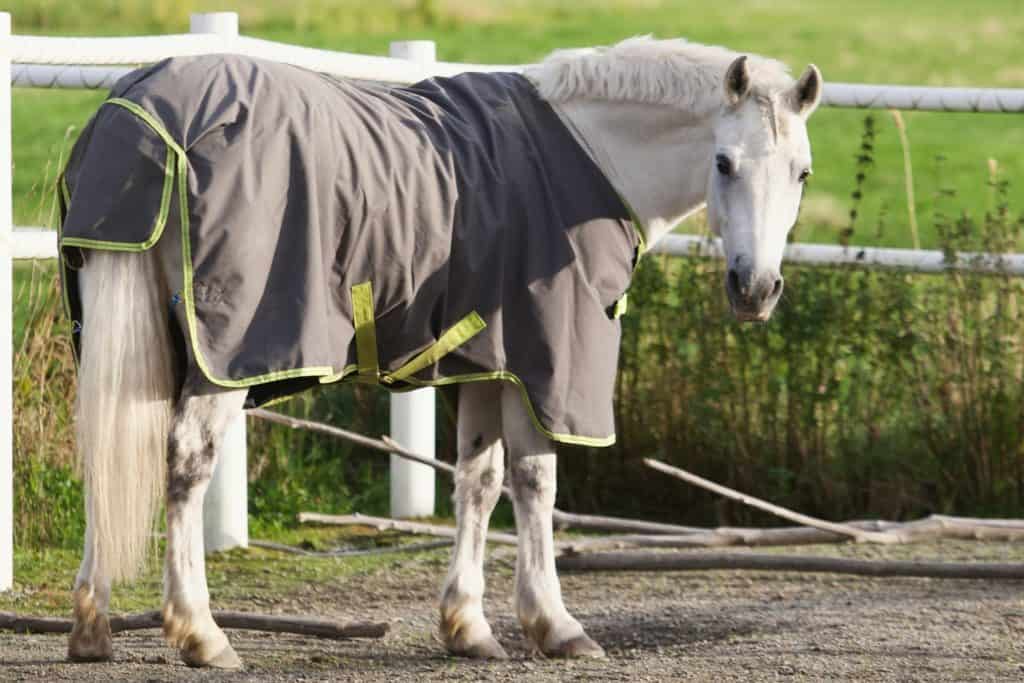
Turnout blankets are built for outdoor use. Their outer shell is designed to handle rain, wind, mud, and the general abuse that comes with horses living or spending time outside. Depending on the model, a turnout may be an unfilled waterproof sheet or include insulation for colder weather.
When to Use a Turnout
The primary job of a turnout is to protect the horse from the elements while providing the amount of insulation the horse actually needs to stay warm. Blanketing decisions should account for the horse’s coat, clipping, body condition, age, shelter access, and local weather rather than relying on a single temperature threshold.
- 0g sheet: weather protection without added insulation.
- Lightweight: generally around 50–100g.
- Mediumweight: generally around 150–250g.
- Heavyweight: generally 300g and above.
Weight labels vary by manufacturer, so compare the actual gram fill rather than relying on the category name alone.
What to Look For
- Denier: Higher denier generally means a more durable outer fabric. A rough or playful horse may benefit from a tougher shell than a quiet horse.
- Waterproofing and breathability: The outer fabric should resist rain while allowing internal moisture to escape.
- Fill weight: Choose the amount of insulation based on your horse’s needs, living conditions, and the weather you expect.
- Fit features: Shoulder gussets, adjustable surcingles, leg straps, and appropriate wither clearance can improve stability and reduce rubbing.
- Coverage: Standard necks, high necks, combo necks, and detachable hoods provide different levels of protection.
Stable Blankets
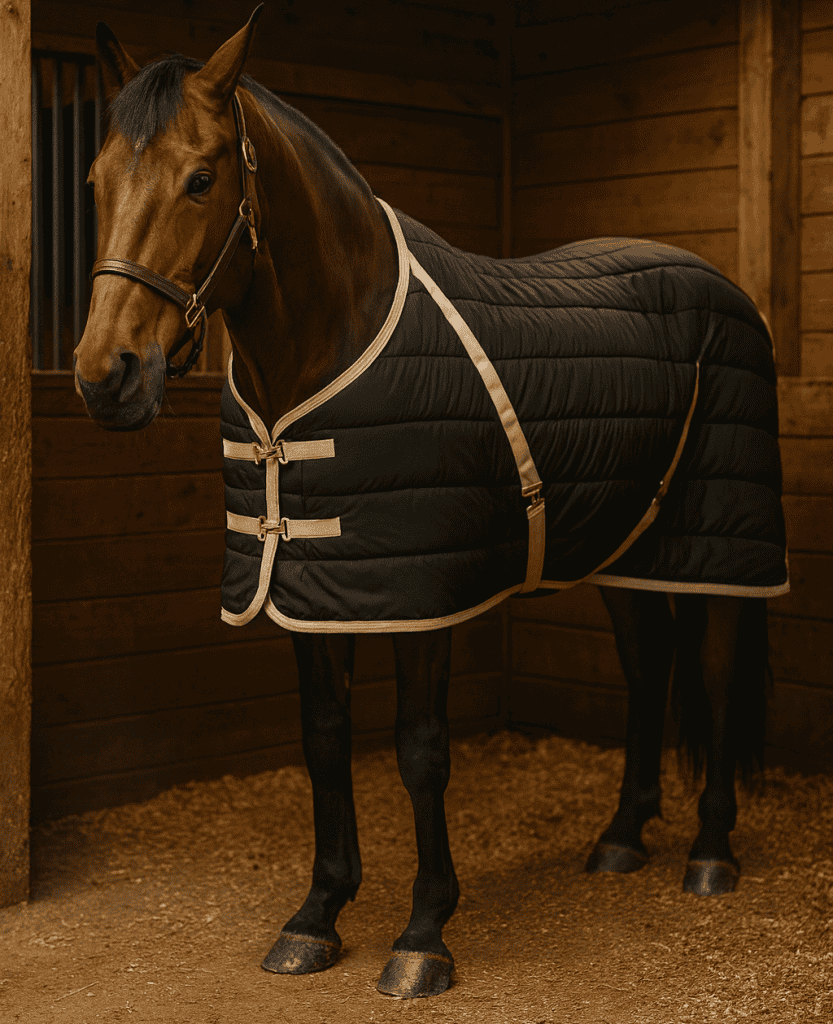
Stable blankets are designed primarily for indoor use. Unlike turnout blankets, they are generally not built with the same waterproof outer shell intended for prolonged outdoor exposure, although some may offer water resistance. They’re available in different fill weights for horses that need additional warmth while stalled or sheltered.
When to Use a Stable Blanket
A stable blanket can be useful for clipped horses, older or thin horses, horses kept in colder barns, or any horse that needs additional warmth indoors. As with turnout blankets, the right amount of insulation depends on the individual horse and its environment. Coat, clipping, body condition, barn temperature, drafts, bedding, and time spent outside should all factor into that decision.
- Light fill: a modest layer for cool barns or partially clipped horses.
- Medium fill: additional warmth for colder barns or fully clipped horses.
- Heavyweight: higher insulation where conditions and the individual horse justify it.
What to Look For
- Fill weight: Choose insulation based on the horse and barn conditions rather than assuming heavier is automatically better.
- Breathability: A stable blanket should allow body heat and moisture to escape rather than trapping dampness against the coat.
- Fit: Look for adequate shoulder room, secure closures, and enough length to cover the horse without restricting movement.
- Lining: Smooth linings can help reduce friction and coat rubs, particularly on clipped horses.
- Layering compatibility: If you use liners or layer blankets, make sure the combined fit remains secure and does not create pressure points.
Coolers
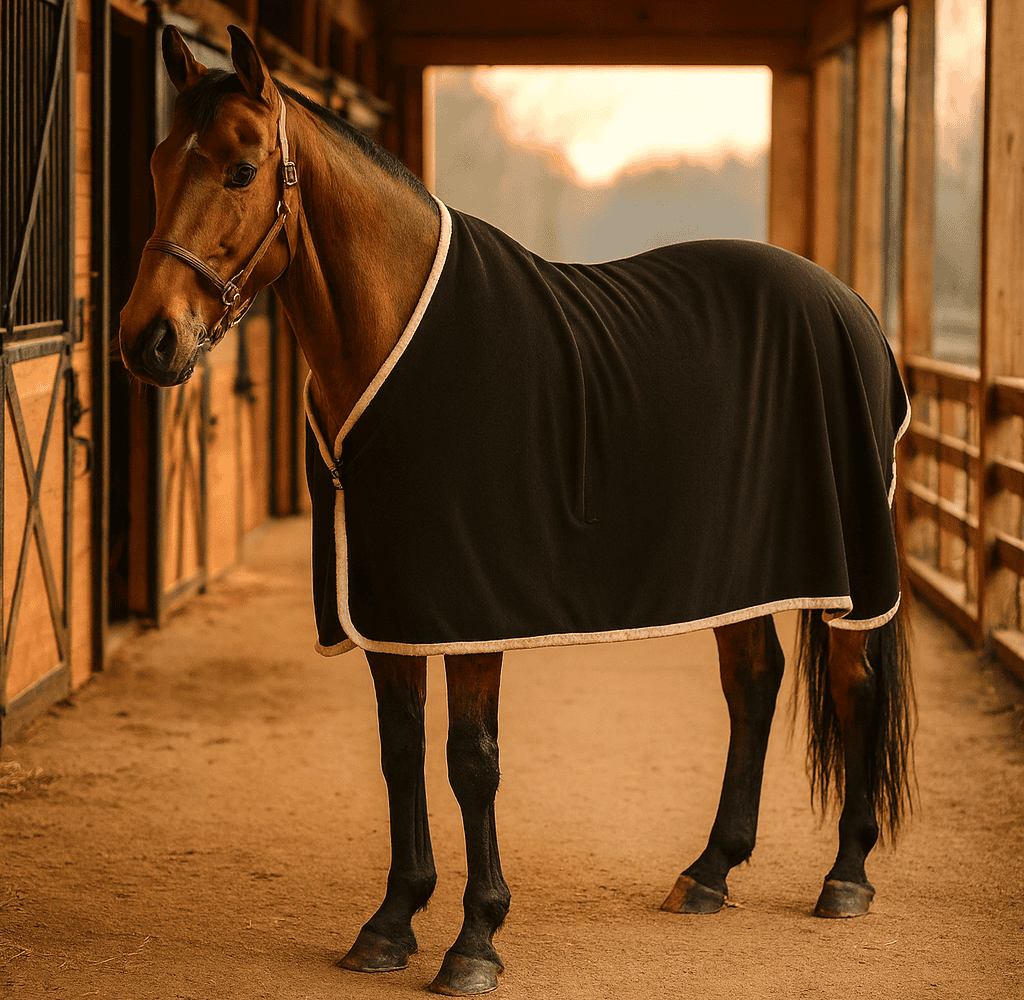
Coolers are designed to help a horse dry gradually after exercise, bathing, or other situations where the coat is damp. Rather than trapping moisture against the horse, a good cooler helps move moisture away from the body while reducing the risk of the horse becoming chilled as it dries.
When to Use a Cooler
A cooler is most useful when a horse is sweaty or wet but still needs protection from cool air while drying. They’re commonly used after riding, training, bathing, or during trailer travel when a damp horse may be exposed to drafts. The goal is not to keep the horse heavily insulated. It is to manage moisture while allowing body heat to escape gradually.
- After exercise: helps a sweaty horse cool and dry more gradually.
- After bathing: useful when temperatures are cool enough that air-drying could leave the horse chilled.
- During travel: can help manage moisture and drafts on a damp horse during transport.
- Before blanketing: a cooler can help dry the coat before a heavier blanket is put on.
What to Look For
- Moisture-wicking fabric: Fleece, wool blends, and technical fabrics should move moisture away from the coat rather than simply absorbing and holding it.
- Breathability: The cooler should allow heat and moisture to escape as the horse dries.
- Fit: It should stay securely in place without restricting the shoulders or slipping backward.
- Closures: Front closures, surcingles, or chest straps can help keep the cooler positioned during use.
- Drying performance: The fabric should move moisture away from the coat and allow the horse to become progressively drier underneath.
- Weight and warmth: Choose a lighter or heavier cooler based on conditions and the horse; more insulation is not always better.
Remove or change the cooler once the horse is dry. Leaving a damp cooler on too long can trap moisture against the coat and work against the drying process.
| Weight | Best Use |
|---|---|
| 0g sheet | Rain and wind protection without added insulation |
| Lightweight ~100g | Mild warmth for cool or damp conditions |
| Medium 200–300g | Added insulation for colder weather |
| Heavyweight 380g+ | Higher insulation when the horse and conditions justify it |
Care & Maintenance
A well-fitted blanket still needs regular maintenance to stay safe and effective.
- Check straps, buckles, stitching, and closures regularly for wear or damage.
- Clean blankets according to the manufacturer’s instructions using an appropriate detergent.
- Reproof waterproof turnout blankets as needed, following the manufacturer’s care and warranty instructions, especially when water stops beading on the outer fabric.
- Allow blankets to dry completely before storage to reduce mildew and odor.
- Avoid high heat unless the manufacturer specifically allows it, because excessive heat can damage waterproof coatings and synthetic materials.
Shop Horse Blankets from Spotted M Tack
Spotted M Tack carries a rotating selection of new, used, and consignment horse blankets, including turnout blankets, stable blankets, sheets, coolers, and related horsewear. Inventory changes frequently, so the collection reflects what is currently available.
For another practical tack comparison, see our guide to English reins, including flat, laced, rubber, and webbed styles.
Sources & Further Reading
TackReview uses manufacturer documentation, governing-body rules, and established equestrian references to verify technical details and provide additional context. Competition rules and product specifications can change; consult the current source when making competition or purchasing decisions.